
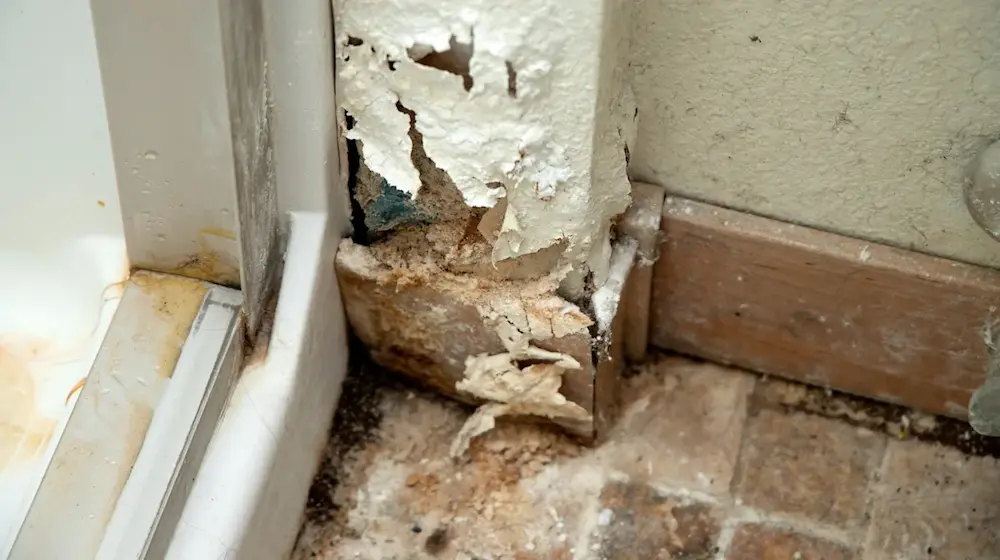
10 Signs of Drywall Problems And How to Fix Them
Drywall problems can silently turn a flawless wall into a costly repair nightmare. Starting with small cracks or collapsing roofs, these problems can begin small but turn into major budgetary and structural problems that can develop fast in case not addressed. Understanding the 10 signs of drywall problems and how to fix them can prevent you from losing your property, costly renovation, and having a clean professional finish before a small repair can turn into a large-scale renovation.
Introduction
Why Drywall Problems Deserve Your Attention?
Drywall is considered one of the most important materials in modern homes and commercial buildings and is used to create smooth walls and ceilings around the wiring, insulation, and structural parts. Nevertheless, drywall problems usually proceed silently, with minor drywall cracks, slight nail cracks, or initial signs of water damage to drywall, and most homeowners overlook them until the moment when they have to pay a lot to fix them.
The most intelligent way to save your budget and properly value it would be to find it early. Even a single crack may be an indicator of a settling foundation, moisture intrusion, or even movement of the framing, problems that may lead to extensive structural remedies. In this blog, you will know how to recognize the 10 signs of drywall problems and how to fix them. Which makes certain that you may take an early step, avoid all the lurking costs, and make certain that your walls are strong, safe, and aesthetically flawless.
What Are Drywall Problems and Why Do They Matter?
Drywall problems are exposed or concealed slips within wall and ceiling panels that impact the look, functionality, and strength. These issues are cracks, nail pops, water stains, hanging ceilings, moulds, and joint separation. As much as they may look cosmetic at first sight, some of the defects in the drywalls may have some underlying reasons, such as moisture, framing movement, or unsound building construction techniques.
Drywall problems reduce property prices and indoor comfort in residential buildings. Whereas in commercial construction, they can result in inspection errors, tenant complaints, and expensive downtime. The industry standards indicate that the interior finish, such as drywall, may constitute 15-25% of the overall interior building costs. And rework caused by the defects may cost 5-10% of the project budget as the defects are identified later. This is why it is imperative to learn about the drywall defects early by homeowners, contractors, and even estimators to learn about drywall defects early.
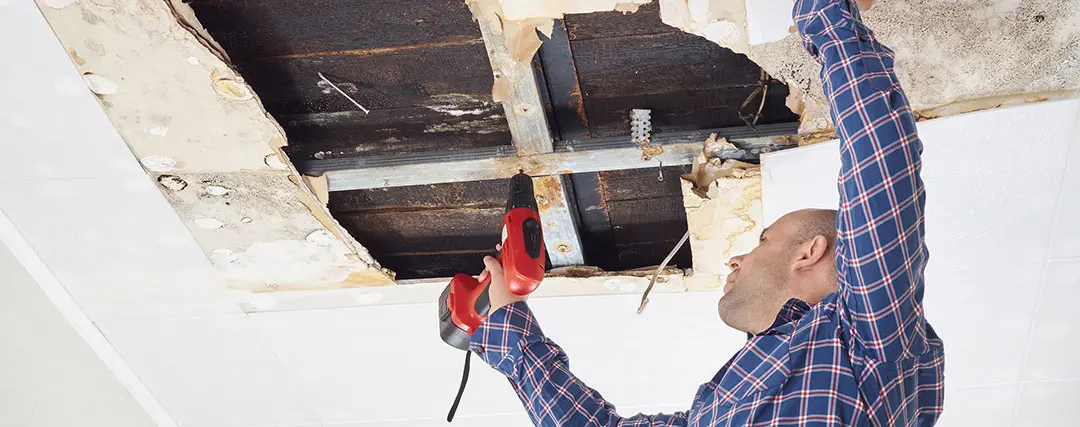 Using a patching example, a minor crack can be repaired at a fee as low as several hundred dollars. Whereas a water-damaged drywall can be repaired at $1.50 to $3.50 per square foot installed, depending on the complexity and finishes. To understand detailed pricing, check this blog on the cost to install drywall that separates the work, material, and regional cost differences.
One of the most serious problems with drywall is water damage, which is normally occasioned by a cracking of a roof, plumbing, condensation, or even an HVAC system problem. Its stains are normally seen as yellow or brown discoloration. On the one hand, the long-term effect can result in the depreciation of the drywall and the emergence of molds.
10 Signs of Drywall Problems and How to Fix Them?
Persistent problems with drywall are regarded as one of the most frequent interior failures in residential and commercial construction. The repair data in the industry is that almost 25-35% of interior maintenance complaints arise because of drywall-related repairs, and early repairs can cost half to two-thirds less than the late repairs. These warning signs will also enable property owners and contractors to avoid expensive structural and aesthetic losses.
Hairline Drywall Cracks
Hairline cracks in drywall are surface cracks that are usually seen in the area of doors, windows, ceilings, or joints. These cracks are usually caused by normal settlement of buildings, change of temperature, and other slight framing movements. Although most of the cracks in the hairline are cosmetic, expanding or diagonal cracks can also represent structural changes that need to be investigated by a specialist.
How to fix it:
To fix the cracks of the hairline, roll joint compound on the crack, insert drywall tape to strengthen the area, finish the surface, and repaint. In the case of recurrent cracks, the flexible caulking can be implemented in front of the painting to allow it to flex. It is advisable that a timely inspection be made because small cracks may expand with time and incur more cost to fix them.
Nail Pops or Screw Pops
Nail pops or screw pops are caused by fasteners loosening and forcing their way out of the surface of the drywall. This is normally due to the shrinkage of wood, framing movement, or incorrect fastening during installation. Newer structures have these raised bumps, which occur when the framing lumber dries and contracts.
How to fix it:
First of all, trace and eliminate the cause of moisture. Replace the parts of the drywall that have been stained by water, and then apply a stain-blocking paint and repaint the surface. Sand then repaint the area. The industry repair statistics indicate that fastener pops occur in more than 40% of the cases of drywall repair, and thus rank as one of the most common drywall defects.
Water Stains or Water Damage
Framing with reinforced cementing can use more drywall screws or more drywall, which has become such a big sagging sheet. In other cases, furring strips or support joists may have to be installed. Its stains are usually observed as discoloration that is yellow or brown. Whereas the long-term effect may cause the weakening of the drywall and the development of molds.
How to fix it:
Changing up the areas of drywall that have been damaged by water, then using a stain-blocking paint and repainting the surface. The exposure of drywall to water may weaken the structure within 24-48 hours. Thus, it is important to take immediate measures to avoid structural damage and the infestation of moulds.
Sagging Drywall Ceiling
A sagging drywall ceiling indicates poor fastening, framing issues, or there is an exposure to moisture that has caused the drywall to weaken. Sagging may be experienced in an old building, in a humid place, in a bathroom, or in a basement.
How to fix it:
Reinforce ceiling framing, add additional drywall screws, or replace severely sagging drywall panels. In other instances, it might be required to install furring strips or support joists. Unattended damages may raise the restoration expenses by a factor of 2-3, especially when structural framing is involved.
Bubbling or Peeling Drywall Tape
When tape becomes sticky because of moisture, improper application, or old materials, then bubbling or peeling of the joint tape occurs. This problem is typical of the damp conditions and may give way to the appearance of obvious seams and surface defects.
How to fix it:
Eliminate the loose tape, reapply using drywall tape, and smooth the surface. Sand after which repaint the part. Bubbling could be avoided in the future by using moisture-resistant tape and compound, particularly in kitchens and bathrooms.
Visible Seams or Uneven Joints
The occurrence of visible seams and uneven joints is a result of not finishing drywall panels or the movement of framing over time. The issue can be encountered in older buildings or poor-quality installations where the finishing was done hurriedly.
How to fix it:
It should be applied using a skim coat of joint compound over the seams, feathered edges, sanded, and repainted. In business premises, irregular joints may adversely affect the appearance and tenant attitude, which is why professional finishing is a necessary requirement.
Holes and Dents
Accidental damage or furniture impact, the door handle causes holes and dents. Nails or anchors can produce small holes, and big holes can be caused by heavy impact.
How to fix it:
Small holes can be patched using drywall patch kits, or the damaged drywall can be cut and replaced in case of big holes. Apply joint compound, sand and re-paint. Such measures as corner guards in busy locations can ward off it by means of appropriate protection of the walls.
Mold Growth on Drywall
Development of mold on drywall occurs due to the presence of moisture that is stagnant behind the panels, and this is normally occasioned by leaks, condensation, or lack of proper ventilation. It not only destroys dry walls, but it is also very dangerous.
How to fix it:
Get rid of and change the dry wall which is full of mold, limit water sources, and improve the ventilation. This might require professional mold remediation that can cost between $500 and $6000 and above, depending on the degree of the problem and the size of the area. The bathrooms and basements can be fitted with water-resistant drywall to reduce the chances of mold.
Soft or Crumbling Drywall
Drywall cracking or crumbling is an indication of overexposure to moisture, old age, or structural damage. The weakness of this issue increases on the wall surface, and it becomes less effective in attaching fixtures or finishes.
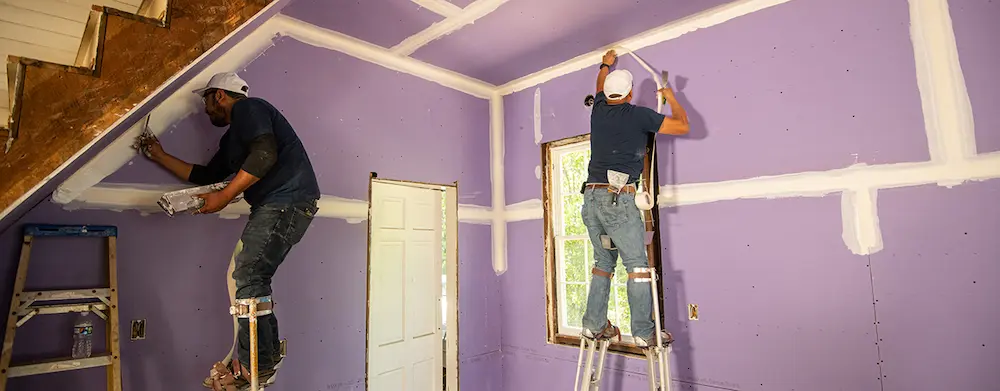 How to fix it:
Removal of damaged parts, replacement of new drywall, and final finishing using joint compound and paint. The disregard of soft drywall may cause additional weakening and undetectable structural damage that can raise the costs of repair and replacement.
Corner Bead Damage
Corner beads guard the ends of the drywalls against being hit and worn. Carts, furniture, or foot traffic normally interfere with and cause damage in busy places, hallways, and commercial buildings.
How to fix it:
Take off the damaged corner bead, put in a new bead of metal or vinyl, put in a joint compound, and then sand and repaint. Corner beads should be reinforced because this will enhance the durability in commercial and high-use areas.
Drywall Problems, Causes, and Fixes
| Drywall Problem | Common Cause | Recommended Fix | Cost Impact |
| Hairline cracks | Settling, temperature changes | Tape and compound | Low |
| Nail pops | Wood shrinkage | Re-secure fasteners | Low |
| Water damage | Leaks | Replace drywall | High |
| Sagging ceiling | Moisture, poor fastening | Reinforce or replace | High |
| Mold growth | High humidity | Replace and remediate | Very High |
Drywall Repair vs Replacement: Which Is Right for Your Walls?
Homeowners and contractors are usually presented with a dilemma when drywall problems arise. And it is whether to repair or to replace the damaged drywall. This is one of the dilemmas that bothers the homeowner and the contractors. The correct decision is not only important in making sure that its structure is sound and that it is pleasing to the eye. But also in keeping the costs down, reducing the number of rework, and eliminating the headache that may appear in the maintenance process later.
In the opinion of construction estimators, it is important to know when to repair and when to replace in proper cost budgeting of a project, and save over the long term.
When to Repair Drywall
Minor problems can be repaired in the least expensive manner using drywall repair. Small holes, dents, cracks in the hairline, and nail pops are mostly considered to be repairable. Repair does not entail the removal of entire portions of the wall, is less labor-intensive, and is much faster.
Key points:
- Price: Minor repairs may cost between $150 and $500, which varies according to the size and the complexity involved.
- Procedure: Patch, sand, tape, and repaint.
- In which it is most effective for cosmetic issues or regional defects that do not affect the integrity of the structure.
Example: A small hair line crackage around a door frame can be repaired with joint compound and tape to ensure it does not further damage without having to replace the entire wall. As the industry statistics show, timely repair of this nature can save up to 50% of the rework cost in the future.
When to Replace Drywall
Structural integrity problems, such as extensive damage, water, mold, or collapsed ceiling damage, would require replacement. Water-damaged walls that are mold-infested, soft, and crumbling should not be repaired but replaced.
Key points:
- Price: Full installation of drywall costs $1.50 to $3.50 per sq. ft. installed, depending on labor, quality of material, and local cost.
- Procedure: Removal of the damaged drywall, installation of new drywall, taping, combining joints, sanding, and painting.
- Its best use is where: It has caused immense damage, or the assemblies that are fire-rated have been compromised.
Example: In two cases, the cost of replacing an area of 100 sq. ft. of water damage would be approximately $200 to $350, since the replacement of the damaged area would be done. Due to recurrence, it may take over 500 dollars to replace it once again, not to mention the development of moulds and complaints raised by tenants.
Repair vs Replacement
| Issue Type | Repair Cost | Replacement Cost | Notes |
| Small cracks | $150–$300 | $1.50–$3.50/sq. ft. | Cosmetic; repair preferred |
| Water-damaged panels | $200–$500 | $1.50–$3.50/sq. ft. | Replacement reduces mold risk |
| Sagging ceiling | $300–$700 | $2–$4/sq. ft. | Replacement may be more cost-effective long-term |
| Mold contamination | $500–$2,000 | $2–$6/sq. ft. | Safety & compliance require replacement |
Cost Impact of Ignoring Drywall Problems
It may seem that ignoring minor drywall problems may be a harmless decision at the start of the matter, but their long-term effects can be tremendous in both financial and structural terms. Even minor issues such as cracks in drywalls, nail pops, or water stains can develop into significant repairs when they are not addressed.
As construction professionals say, such issues as untreated drywall are often the reason for rework, higher costs of maintenance, and decreased value of the property. The homeowners, facility managers, and contractors must understand these risks.
Rework Costs
It may be surprisingly costly to rework unaddressed drywall problems. Industry studies show that correcting defects that occur after the construction of a commercial and residential project can take up to 11% of overall construction costs, and create business setbacks of 22%.
Example: A small water spot that was left unaddressed in the ceiling of an office can mean demolition of the surrounding panels, substitution of the drywall, and repainting. Such rework can be 2-3× times more expensive than early repair and therefore stresses the value of proactive inspections.
Maintenance Escalation
Problems with drywalls are also likely to add to the continuous maintenance expenses of a building throughout its life. Maintenance in office buildings is usually $1.6-$2.8 per sq. ft. per year. Such expenses increase when the drywall defects include sagging ceilings or the presence of mold, which requires repeated repairs, painting, and remediation.
Property Value Risk
In addition to repair and maintenance expenses, the unaddressed drywall issues have the potential to affect the property value. Obvious flaws, moulds, or collapsing ceilings are indicators of bad maintenance to the purchasers, tenants, or the surveyors. It is demonstrated that in case interior finish problems are not addressed, a decrease in resale value by 5-10% may occur in the case of commercial real estate.
Real-World Example: Drywall Repair Case Study
In order to gain a real insight into the financial and operational effects of drywall issues, we will examine a real-life case study of a commercial remodeling effort.
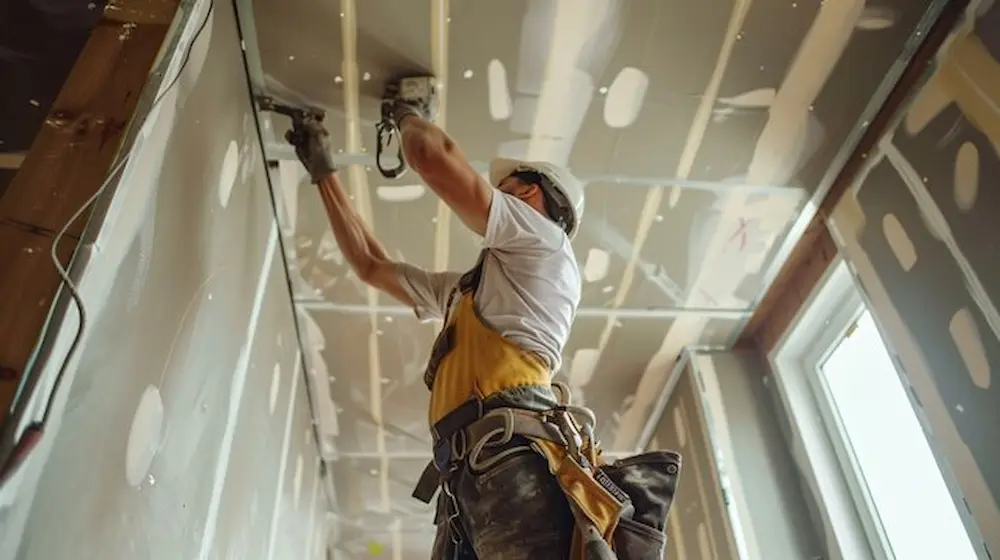 Project: 5000 sq ft office renovation
Scenario: In the process of construction, small water marks and cracks were detected in several points of the drywall. The problems were first disregarded to save time and cost, which was not short.
Outcome of Ignoring Problems:
- A small plumbing leak resulted in several panels being dropped and moulded due to moisture within 6 months.
- Including demolition of affected drywall, mold remediation, and repainting, the rework was required.
- Total additional cost: $8000, exclusive of lost productivity on the part of tenants during repair.
Outcome of Early Intervention:
- The overall cost of the repairs would have been about $2500, which saved $5500 in the cost of the rework. Given that the minor problems were resolved instantly, such as sealing cracks, changing the damaged panels, and regulating moisture.
- Preoperative maintenance also helped avoid health problems caused by molds and schedule delays, and boosted the satisfaction of tenants.
Drywall Damage Escalation Timeline
| Stage | Issue | Action Needed | Cost Impact |
| Month 1 | Hairline cracks & small water stains | Patch & paint | $2500 |
| Month 3 | Sagging panels & mold start | Partial panel replacement | $5000 |
| Month 6 | Extensive water/mold damage | Full rework & remediation | $8000+ |
| Month 12 | No action | Structural issues + major downtime | $12000+ |
Prevention Tips to Avoid Drywall Problems
It is always more economical to prevent than cure, and it is more economical to prevent the problems of drywall than to mend them after the damage is done. With the help of some proactive measures, facility managers, homeowners, and contractors can dramatically increase the life of their walls and ceilings while saving them the costly amount of rework.
Control Humidity Levels
One of the most common problems of drywalls is excess moisture that causes water damage, ceiling sagging, and the growth of molds. Using dehumidifiers in the high-humidity regions and ensuring that the bathrooms and kitchens have functioning exhaust fans can prevent moisture-related damage by installing the appropriate ventilation.
Ensure Proper Framing
Well-spaced framing should be strong to support the drywall. Poorly positioned studs or joists will cause any form of sagging ceiling, nail pops, and uneven joints with time. Always adhere to the building code of stud spacing, which is 16 inches on the center of walls and ceilings to ensure support of drywall panels.
Invest in Quality Installation
Even the best drywall can fail if installed poorly. Experienced installers and quality materials can be used to make sure that there is proper application of the tape, the joint compound, fasteners, and corner beads. This minimizes the problems of exposed seams, nail pops, and volatility.
Example: Bathrooms or basements with moisture-resistant drywall will avoid the long-term damage of water. Which would otherwise result in panel replacement that costs $2-3 per sq. ft.
Conduct Regular Inspections
Drywall issues can be best detected by a simple routine inspection. Check cracks, nail pops, and water stains, and the sagging areas at least once every other year by visual scheduling. In the case of commercial buildings, consider inspections as part of the yearly maintenance to avoid the costs of unplanned repairs.
Conclusion
Drywall may seem like a minor part of a building. However, ignoring signs like hairline cracks, nail pops, water damage, and floating ceilings can lead to serious structural issues. It can also increase maintenance costs and reduce property value. Knowing how to fix these problems helps homeowners and contractors make smart and cost-effective decisions.
As an estimator, the point of view is that it is essential to detect and intervene early. Solving the problems of the drywall in the course of construction or maintenance planning avoids the expensive rework, helps to keep the projects on time, and secures the overall building performance. By adhering to the measures mentioned above, humidity, framing, good installation, and constant inspections, your walls will be strong and have no aesthetic defects.
Contractors and property owners need accurate guidance for drywall repair and installation costs. NYC Estimating provides reliable and data-driven construction cost estimates. With realistic budgets and cost projections, you can reduce surprises, control expenses, and improve building performance.
Learn more about the cost to install drywall and project plan further with reliable estimator advice at NYC Estimating.
FAQs
What is the cost of drywall repair?
Repair to drywall is usually between $150 to $1000 and above, depending on the level of the damage, whereas full replacement of drywall is $1.50-$3.50 per square foot on installation.
Are drywall cracks structural or cosmetic?
The vast majority of cracks on the hairline are cosmetic. However, wide, diagonal, or growing cracks can signal structural movement and need to be examined by specialists.
Would you fix or replace the damaged drywall?
It is possible to repair small cracks, holes, and nail pops. However, the water-damaged, moldy, or sagging dry wall is often prone to replacement to ensure the structural integrity.
What is the time taken to do a drywall repair?
Depending on the time it takes to dry, and finish small drywall jobs can be finished in a few hours, and large jobs or replacements can be completed in 1-3 days.
Does damaged drywall affect property value?
Yes. Visible damage to drywalls can affect the value of the property and raise concerns of moisture, structural, and maintenance issues among buyers.


