
Pipe Estimator Experts – What Makes the Right Choice for Projects?
In today’s construction environment, a few percent error in a piping estimate can lead to major cost overruns or delays. In fact, industrial studies show that accurate project budgets and realistic resource demands decide whether the project will be successful or not.
Whether you are working on a high-rise HVAC system, an industrial plant, or a municipal water project, all reflect a large portion of the mechanical job scope. Getting them right requires experience and expertise.
In this article, we’ll explain how specialized pipe estimator experts improve project outcomes. You’ll learn why precise pipe takeoffs matter, where errors commonly occur, how veteran teams handle them, and what tools and processes give the best results. Let’s start!
Why Accurate Pipe Estimation Matters in Modern Construction
A piping project, particularly for a commercial and industrial setup, can cost you thousands or sometimes millions of dollars. If you underestimate even a small element of the project, it will show up in the form of high unforeseen expenses later. One estimator’s guide warns that a small mistake in the calculations can lead to budget overruns.
 For example, on a 200‑bed hospital expansion, the team saw a $15,000 miss simply because extra condensate drains were ignored. Without a clear budget for those pipes, the contractor went the wrong way and delayed other work. You know market fluctuation nowadays. This has made precision and accuracy more important in piping estimates. Therefore, expert estimators suggest being updated with these changes. This is important to avoid overspending on materials.
Remember that the local regulations and safety codes can add a big percentage to your piping project budget. So, estimate them early to avoid unforeseen expenses later. For these risks, you can account for contingencies, too. Accounting for these requirements up front avoids surprise fees later. And for many complex builds, bringing in dedicated pipe cost experts pays dividends: they help lock in realistic budgets, negotiate with suppliers, and ultimately win more jobs at impressive margins.
Common Mistakes in Piping Estimates
Even certified estimators face challenges when providing piping estimating services. Here are some of the common challenges estimators encounter:
-
Incomplete/Confusing Data
Incomplete or unclear project documents are a top pitfall. If your plans are confusing, the chances of missing items are high, which results in a higher project cost.
Solutions
You should ask for clear notes from project managers or designers. This means highlighting redlines, change orders, or missing details, before estimates are refined. Otherwise, a misread drawing could mean missing hundreds of feet of pipe or dozens of fittings.
-
Market Fluctuation
Market volatility also trips up budgets. As noted, metal prices can increase; on a $200,000 pipe package, a 10% raw material increase is $20K in risk. One expert list of estimating pitfalls specifically warns that fluctuating material costs can undermine estimate accuracy and profit margins.
Solution
Estimators should use the latest pricing databases, like RSMeans, and include reasonable escalations or contingencies. Also, skilled estimators mitigate this by building in a contingency, often 5–10%, and by securing vendor quotes early.
-
Calculation Mistakes
Even straightforward counting errors can cause significant financial issues later. Common mistakes include double-counting materials on overlapping drawings or ignoring identical repeated assemblies.
For example, on a hospital job, the team saw a subcontractor underbid because two identical chill water risers were drawn separately; the check caught the duplicate labor count.
Soluton
To avoid such errors, experienced teams rely on digital takeoff tools, which identify discrepancies, and structured checklists. As one resource advises, using software with built-in error checks and doing peer reviews helps avoid mistakes like double-counting or using outdated labor rates.
-
Coordination Gap
Coordination gap is another issue. Piping often clashes with structural or electrical elements. If an estimator doesn’t verify that drawings are up-to-date with clash-detection models or field measurements, rework is unavoidable.
For example, in one industrial plant project, a large steam line had to be re-engineered on site because a clearance issue wasn’t caught in the estimate.
Solution
Integrating 3D models (clash-checking) or at least confirming overhead/building penetration points in advance avoids these surprises.
How Experienced Pipe Estimators Perform Excellently?
-
Initial Documentation Review
Expert estimating teams approach piping with rigorous processes and communication. They insist on a initail review. This means that they carefully read through all project documents, including blueprints, specifications, mechanical schedules, and subcontractor scopes, before touching the numbers.
This aligns everyone on exactly what’s included. One guideline from a top estimator advises that an initial documentation review ensures the estimator understands the full extent of the work.
In practice, this might involve meeting with the mechanical engineer to clarify complex isometrics or flagging a missing detail sheet.
-
Visiting Pipe Installation Site
Site visits are common on custom or renovation piping projects. When done, the estimating engineer walks the space to verify measurements, access points, and existing conditions. 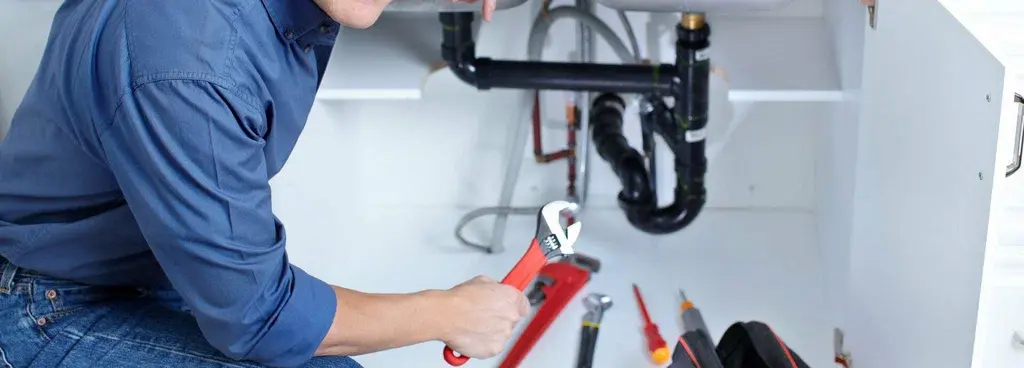 This step can catch things that drawings won’t show, including:
- Narrow access chases that require special fittings
- An existing utility that the new pipe must avoid.
As one expert site note explains, inspectors look for access points, existing infrastructure, and environmental considerations that could impact installation. These observations are then fed back into the bid.
-
Use of Tools & Software
During quantity takeoff services and costing, experienced teams use a combination of digital tools and human know-how. Using software, they measure all lengths and fittings and check against the drawings. Similarly, they calculate the labor hours using the labor productivity factor and local wages. Notably, modern pipe takeoff almost always uses tools like PlanSwift or Bluebeam for drawing measurements, which speed up counting and reduce human errors.
In fact, one industry source lists PlanSwift, Bluebeam, RSMeans and Trimble among the go-to software for labor and material pricing. Using these tools, estimators fasten the takeoff and budget calculation process, benefiting from automation. In the result, you get the detailed item-by-item cost breakdown.
-
Detailed & Clear Proposal Document
Rather than giving a single lump sum, experts prepare a clear proposal document. This proposal breaks down the following:
- Cost of each material: pipe, valves, supports, etc.
- Labor hours and wages
- Equipment rentals
- Contingencies and overhead
Providing a transparent, line-item piping estimate not only supports bid reviews but also sets accurate client expectations. One estimating team notes that a well-prepared proposal increases the chances of winning the project bid and sets the stage for successful execution.
-
Change Order Management
Crucially, experienced estimation firms also build in a strong change-management practice. During design development or after bid submission, project scopes often shift. Trustworthy piping cost estimating service providers track every change request or RFI and promptly revise the estimate to reflect it. As one resource observes, this minimizes risk and helps avoid budget overruns.
Workflow Of Professional Piping Estimators
Experienced pipe estimators follow a systematic workflow to balance precision with efficiency. Here are the detailed steps:
-
Review Drawings & Specifications
Start by analyzing all project documents to identify every piping scope. Look for sheet notes, scope exclusions, and code notes. This step ensures the team understands the full extent of the work.
-
Site Visit (If Needed)
Then, confirm dimensions, elevations, and access in the field. Note any obstructions or existing systems to incorporate into the bid.
-
Quantity Takeoff
Next, measure pipe lengths, count fittings and valves, and account for other materials required for the targeted project. For on-point results, you should use digital takeoff software, like PlanSwift, Bluebeam, or Revit. Then, transform the quantities into cost, using a database for unit pricing of each material.
-
Supplier Quotes
Then, meet vendors for materials and bring both teams to a single point for pricing and lead times. At this stage, benefit your wallet by purchasing materials in bulk or getting discounts. Negotiation is also done at this phase of estimation. Remember to make adjustments with supplier inputs since they help avoid availability and lead time issues, which ultimately affect piping estimates.
-
Compile Proposal
The proposal with supporting calculations significantly boosts bid competitiveness. So, moving to the next step, compile the proposal by building the estimate set that contain detailed cost breakdown. This should have details on:
- Materials
- Labor
- Equipment
- Permits
- Overhead
- Contingency
Also, include narrative notes or clarifications (if required) and present everything in a clear proposal format.
-
Review & Revise
Before submitting, perform internal QA. Double-check calculations, compare to similar past projects, and have a second estimator review. After submission, track any design changes or RFIs and update the piping estimates promptly, documenting all adjustments.
-
Post-Bid Tracking
If the project is awarded, some piping estimators stay involved to compare actual vs estimated costs on critical items. This post-assessment provides valuable feedback for future projects.
Technology & Tools That Piping Estimators Use
Modern pipe estimating is supported by powerful software and data. Estimators no longer need to hand-count every piece from paper plans.
-
Cost Estimating Software
Tools like PlanSwift and Bluebeam allow quick digital takeoffs: you import the PDF drawings, set the scale, and click along pipes or fittings to tally lengths and counts instantly.
One estimating company highlights that their labor/material pricing comes from PlanSwift, RSMeans, Bluebeam, Trimble and more. In practice, this means the team can double-click on a 2D pipe layout and get an automated quantity, then have the software pull an RSMeans unit price for that pipe size. This combination drastically cuts manual errors.
-
Building Information Modeling (BIM)
Building Information Modeling (BIM) adds a next level of precision. In many piping projects, a 3D Revit model of the piping exists. A BIM-savvy estimator can extract pipe lengths, fitting counts and collision checks directly from the model.
 For example, Navisworks or Trimble Connect lets you export all pipe segments’ lengths with one command. This can save hours and reduce mistakes in crafting drawings. Of course, BIM takeoff requires having a detailed model, but where available, it is a game-changer.
As the NYC Estimating team notes, integrating advanced software minimizes errors, enhances efficiency, and ensures precise estimates. The teams find this true: using a database of vendor quotes, like Trimble’s database for specialty items, and macros for labor rates means the bid is data-driven.
For instance, if copper goes up 5%, an updated RSMeans database or a plugin will automatically adjust all copper line items. This technology-backed workflow beats manual spreadsheets for consistency.
-
Laser Scanning & Drones, Cloud Collaboration, and Mobile Apps
Laser scanning and drones can capture as-built conditions for retrofit piping projects. The point clouds provide exact pipe centerlines to measure. Furthermore, cloud collaboration platforms, like Procore and Newforma, allow the estimator to share drawings and markups with the whole team in real time. And mobile apps even let field teams double-check takeoff quantities on tablets during meetings.
How Do Pipe Estimators Manage Risk & Contingencies?
Even with perfect technique, all piping estimates carry some uncertainty. Experienced estimators clearly build risk management into their process.
- First, they always include contingency amounts for the unexpected expenses. Based on project size and market fluctuation, this might be a percentage of key line items (commonly 5–15%).
- Second, experienced estimators keep an eye on project timing. If a long lead time on a special pipe spool is anticipated, they note this in their proposal. Likewise, they warn of labor constraints, such as if some complex installations require skilled welders, they account for possible overtime. By identifying these issues early, the contractor can plan projects accordingly.
- Third, cross-disciplinary coordination is treated as a form of risk reduction. Estimators routinely coordinate with structural, electrical, and architectural teams at the bid stage. For instance, if a mechanical duct layout shifts, it might change pipe support requirements. Catching this before installation avoids rework. In practice, this means attending pre-bid coordination meetings or issuing RFI’s (Requests for Information) on any unclear interface.
- Finally, continuous quality checks are built in. Along with peer reviews, estimators use standardized checklists and templates for consistency. Every estimate is reviewed against those checklists, answering the questions:
- Have all valves been counted?
- Are support/hangers included?
- Are labor crews sized correctly?
Some firms even have an audit stage where a senior estimator certifies the completeness of every section.
What Is Coming In Piping Estimating Future?
The construction industry is evolving, and so is estimating. Looking ahead, you should expect even more digital integration. Predictive analytics and AI may soon help flag unusual cost items automatically. For example, machine learning tools could analyze past pipe projects and highlight where a new bid looks off compared to historical norms. Early BIM 5D tools are already linking model quantities directly to cost data, reducing manual steps.
On the hardware side, handheld 3D scanning devices are making it easier to capture existing conditions for retrofits, streamlining renovation estimates. Cloud-based estimating platforms will enable real-time collaboration: imagine your field superintendent marking up a drawing on a tablet that immediately updates the takeoff totals.
Moreover, sustainability and modularization are other areas to watch. Estimators will increasingly incorporate green materials, like LEED plumbing fixtures, and prefabricated piping modules into their workflows. Adjusting to local labor markets and global supply chains will remain an art; the reliable firms will use data-driven risk models to predict commodity shifts.
Is Investing in Expert Pipe Estimators Worth It?
Hiring specialized pipe estimator experts is an investment in peace of mind and budget control. For general contractors, MEP subcontractors, architects and project owners alike, the experienced estimator brings valuable insight. Instead of scrambling for forgotten items mid-project, you have the cost data upfront. Similarly, instead of a surprise invoice for extra materials, you have a built-in contingency and crystal-clear assumptions.
You might be getting worried due to expnse of piping or plumbing estimating services. No doubt, high-end estimating services cost money, but they often pay for themselves by catching mistakes. Let’s understand this with an example! An in-house team bid on a school’s HVAC retrofit without specialized input and missed dozens of fittings. The resulting change order was $80K. A thorough estimate would have uncovered those needs early. In contrast, paying 1% of that job to an expert pipe estimator, even just $5–10K, could have avoided the overrun entirely. Data from industry consultants suggests that using specialist estimators can improve the bid-win ratio and keep profit margins healthy.
Moreover, a top pipe estimator doesn’t just hand you numbers; they bring suggestions for optimization. For example, if one pipe routing is very costly, they might note an alternate path or material substitution. If a schedule is aggressive, they might suggest splitting the work into phases. This consultative expertise comes from years in the field.
So, yes, investing in expert pipe estimators is worth it for general and sub contractors (both).
Frequently Asked Questions
-
What exactly does a pipe estimator do?
A pipe estimator measures and prices all the materials and labor needed to install a piping system. They take quantity takeoffs for pipes, valves, fittings, and supports, research current material and labor rates, and then compile a detailed cost estimate for bidding or budgeting. Unlike a general estimator who covers all trades, a pipe estimator focuses only on plumbing/MEP piping scopes.
-
Should you hire a pipe estimating service provider for every project?
Generally, yes, especially for mid-size to large projects with significant piping scopes. Even on smaller jobs, having a specialist review the piping can catch hidden items, like traps or sleeves, that you might overlook. If a tight budget and accuracy are priorities, a dedicated pipe estimator adds value.
-
Who benefits most from pipe estimating services?
A variety of construction professionals use pipe estimating services.
- General contractors hire them to validate or prepare bids on projects with major piping work.
- MEP subcontractors hire them to refine their bids and avoid missing scope.
- Developers and building owners commission pipe estimates to budget renovation or new construction accurately.
- Even architects consult pipe estimators during design to ensure budgets are realistic.
Simply put, anyone involved in a project with a significant piping component can benefit from these services.
-
How accurate can pipe estimates really be?
Accuracy depends on the project stage and the information. A fully detailed estimate, done from final construction drawings, can be within ±5–10% of final cost (often called an AACE Class 3 estimate). Early preliminary estimates are less accurate, maybe ±20%. Using current data and thorough takeoffs improves accuracy in estimates. Experienced estimators, like NYC Estimating, often aim for within 5% on material quantities by double-checking takeoffs and referencing past similar jobs. They also include a reasonable contingency, ~5–15%, to cover unknowns.
-
Can pipe estimating be done remotely?
Yes. Many estimates are prepared entirely in the office, using PDF plans sent electronically. With tools like Bluebeam or cloud plan-sharing, an estimator can do takeoffs from anywhere. For this reason, many contractors outsource estimating to specialists nationwide. On-site visits are only needed for renovations or very large projects. Modern cloud-based estimating software even lets teams collaborate in real time, so remote estimating is now routine.
-
What certifications or qualifications should a pipe estimator have?
Look for an estimator with formal training and certification in cost estimating (like AACE’s Certified Estimating Professional) and solid field experience in piping. A background as a mechanical contractor or BIM engineer is a plus. They should be proficient in estimation software, such as PlanSwift and RSMeans, and understand mechanical codes. Also, check references or portfolio, since a proven track record of accurate piping bids is the best qualification.
-
Why do material costs fluctuate so much, and how are they managed?
Pipe materials like steel, copper, plastic and cast iron are commodities whose prices change with market demand and tariffs. Raw material shortages, like a steel mill outage, can also increase costs. Piping estimators manage this by using up-to-date pricing data (monthly RSMeans or vendor quotes) and adding escalations. It’s common to lock in prices with suppliers early or include clauses for price adjustment. Often, a nominal escalation percentage is added to cover volatility. By continually updating cost libraries and building contingencies, estimators mitigate the impact of these fluctuations.
-
How does location affect pipe estimating?
Local factors can influence costs. Regional labor rates, local code requirements, and material availability all affect the piping estimates. For example, labor rates in New York City will be higher than in a rural area. Therefore, a professional estimator uses location-specific data, benefiting from RSMeans, which has city-level cost adjustments. They also consider local code mandates, e.g., certain cities require low-lead brass valves or specific seismic bracing on pipe risers. These regional details are factored in to ensure the estimate matches the actual job site conditions.
Conclusion
In construction, there’s no substitute for knowing your numbers. That’s especially true for piping, where even small errors can lead to high costs. By working with experienced pipe estimator experts, you can gain that confidence. They follow proven workflows, use the latest software, and apply hard-earned lessons from the field to every quote.
In results, you get budgets that hold up and bids that win. Whether you’re a GC, subcontractor, architect or developer, partnering with top-notch estimators is a smart decision that pays off in smoother schedules and fewer headaches. Firms like NYC Estimating exemplify this approach, emphasizing thorough scope analysis and advanced tools to minimize errors and ensure precise piping estimates. In short, choose experts, not guesswork, and your project will thank you.
Contact us if you need ~100% precise and accurate piping estimates in NYC!


