
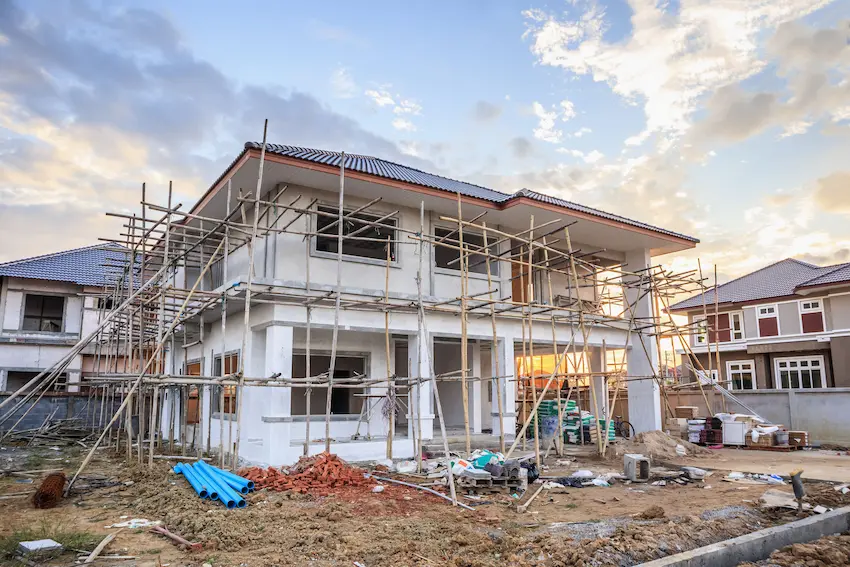
What Is the Average Cost of Building a 4‑Bedroom House in NYC in 2026?
Working on a 4-bedroom house construction project in NYC and want to know is budget. Read this blog post and determine the cost of each element, including materials, labor, transportation, etc.
What Is the Average Cost of a 4‑Bedroom House in NYC?
| 4‑Bedroom Type | Approx. Size (sq ft) | Low-End Build Cost ($300/sf) | Mid-Market Cost (~$534/sf) | High‑End / Luxury (≈ $800/sf*) |
| Compact | 1,600 | $480,000 | $854,400 | $1,280,000 |
| Average | 2,200 | $660,000 | $1,174,800 | $1,760,000 |
| Spacious | 3,000 | $900,000 | $1,602,000 | $2,400,000 |
What Factors Can Affect the 4‑Bedroom House Construction Cost?
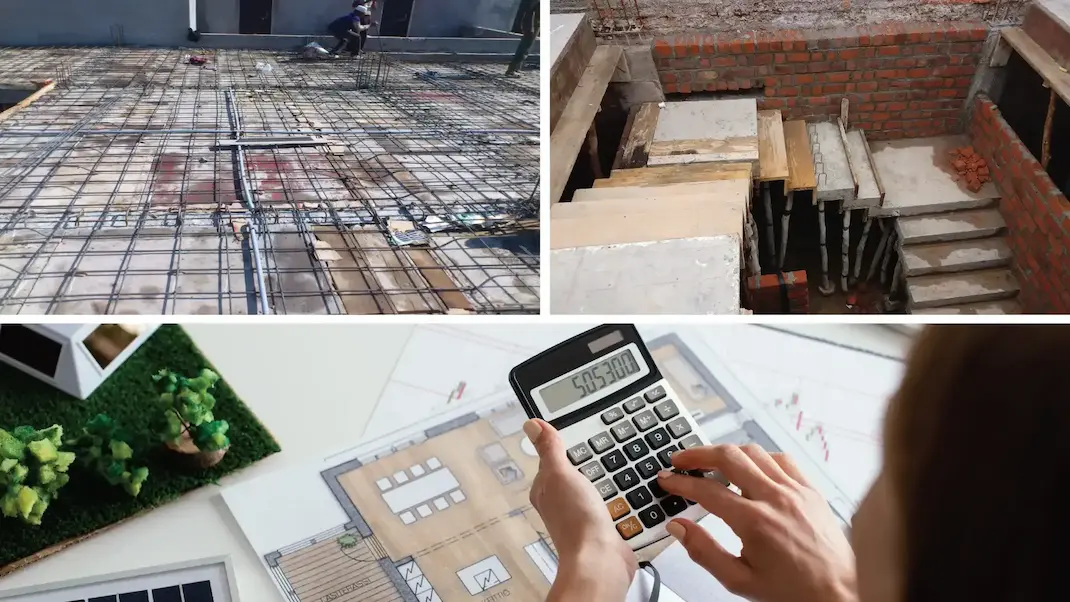
Several factors affect this cost:
-
Specific Location in NYC
Costs change a lot depending on which borough or neighborhood you’re building in:
| Region | Relative Construction Cost Factor |
| Manhattan | Very high due to logistical challenges, tight sites, premium labor, 20–40% more than outer boroughs |
| Brooklyn | High, especially for brownstones or historic districts |
| Queens | More moderate for good value for larger residential builds |
| Bronx | Lower construction cost compared to Manhattan / Brooklyn |
| Staten Island | Suburban‑style builds are possible; land and labor dynamics are different. |
Also Read: Plumbing Cost Estimator? Why It Matters (NYC, 2026 Guide)
-
Local Land Cost
Population pressures, limited buildable lots, zoning scarcity, and high demand all drive land prices up. In NYC, land is a huge wildcard. For some residential lots, Houzeo cites land costs of $26,131,601 per acre in certain areas.
-
House Building Permit Cost
Permitting in NYC is non-trivial and varies widely by scope.
According to Local Law 28‑112.2, a new 1–3 family dwelling work permit costs $0.06 per sq ft, minimum $130.
Here’s a simplified table of common permit costs:
| Permit Type | Filing / Application Fee | Typical Permit Fee |
| New Building (1‑3 family) | $0.06/sq ft (min $130) | Depends on scale, often thousands to tens of thousands |
| ALT‑1 (Major Alteration) | $1,000–$3,000 | $2,000–$15,000+ |
| ALT‑2 (Minor) | $500–$1,500 | $1,000–$5,000 |
| ALT‑3 (Equipment) | $300–$800 | $500–$2,000 |
- Material Cost
Materials in NYC are under constant pressure, especially in 2025. Here are typical material cost rates and how they compare to recent years:
| Material | Local 2025 Rate / Cost Driver |
| Lumber / Framing | A major portion of the cost, lumber, remains volatile. |
| Steel / Rebar | $912/ton for rebar reported in 2025. |
| Concrete / Foundation | Significant share of project costs (foundation + site prep). |
| Drywall / Interior Finishes | Drywall ~$0.40–$0.65/sq ft in general U.S. build cost guides. |
| Roofing | Wide range depending on materials |
| Painting | ~$1.72–$5.82/sq ft (depending on quality) for NYC builds. |
- Local Labor Rates
Labor is a massive chunk and not getting cheaper.
Skilled trades in NYC reflect $85–$132/hour for experienced workers, per estimating sources. Labor wages are rising because of union requirements, high demand, and labor shortages in dense urban construction. Also, delivering materials, staging on cramped NYC sites, and productivity losses (due to inspections, tight lots) mean labor is less efficient than in suburban or rural builds, which drives up cost per square foot.
-
Total Area Options for a 4‑Bedroom House
When planning a 4-bedroom, here are common sizes and how cost scales:
| House Size | Description | Approx. Features / Notes |
| 1,600 sq ft | Compact | Efficient layout, smaller rooms, minimal extras |
| 2,200 sq ft | Average | Comfortable layout, standard room sizes, functional kitchen |
| 3,000 sq ft | Spacious | Extra rooms, a larger kitchen, a bonus space like an office or a lounge |
If you plot cost vs size (based on mid-market $534/sq ft), you’ll see a near-linear increase, but soft costs and site complexity might not scale linearly. A bigger home adds more expensive mechanical systems, permit lines, and more finish work.
-
Type of Construction
How you build matters almost as much as how big you build.
| Construction Type | Description / Impact on Cost |
| Wood Frame / Timber | Most common for residential; somewhat cheaper, faster. |
| Masonry (Brick / Block) | More durable, fire‑resistant, but costs more for labor and materials. |
| Steel Frame | Rare for single-family but possible for custom builds; structural premium. |
| Hybrid (Wood + Steel) | Used when parts of the structure (beams) need strength; adds complexity. |
Also Read: How Much Does Masonry Work Cost Per Hour?
-
Floor Plans
Different floor plans also influence your budget.
| Floor Plan Type | Cost Implications |
| Simple Rectangle / Box Layout | Most cost‑efficient: fewer corners, less framing. |
| Open‑Concept | Requires long spans or engineered beams → more structural cost. |
| Multi-Story (2+ Levels) | More plumbing/stair cost, but a smaller footprint may save on lot/foundation. |
| Split-Level / Complex Rooflines | More complexity → more labor, framing, finishing. |
-
Site Preparation Needs
Imagine you buy a narrow Manhattan lot. Before you even lay the first brick, you might need to shore up neighboring buildings, dig out a deep foundation, and deal with a party wall. Suddenly, your “simple house” feels like an urban spelunking expedition. Site prep in NYC often includes underpinning, dewatering, and structuring around tight constraints, not cheap, but necessary for safety and code compliance.
Cost Breakdowns for a 4‑Bedroom House Construction in NYC
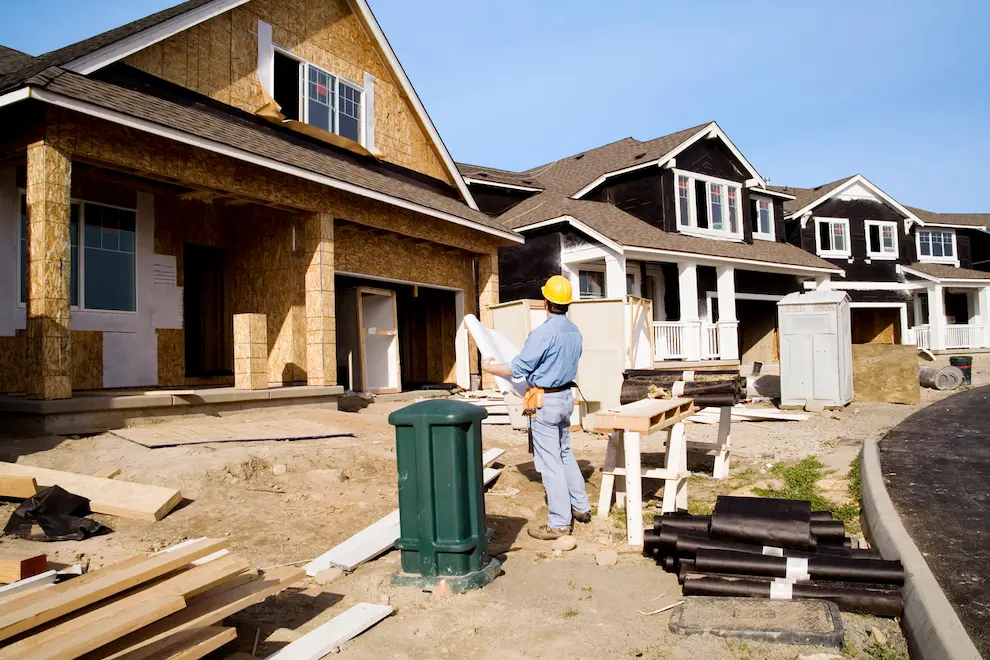
| Trade / Construction Stage | Typical Cost Range | Notes |
| Site Preparation & Excavation | $30,000 – $80,000 | Includes shoring, grading, foundation prep, and party wall considerations |
| Foundation (Concrete / Masonry) | $40,000 – $90,000 | Basement, footings, slab or crawlspace, depending on design |
| Framing (Wood / Steel) | $80,000 – $150,000 | Structural framing for walls, floors, and roof; steel adds a premium |
| Roofing | $15,000 – $35,000 | Material dependent: asphalt shingle, metal, or premium options |
| Exterior Finishes | $30,000 – $70,000 | Siding, masonry, windows, doors |
| Plumbing | $25,000 – $50,000 | Full-house rough-in plus fixtures |
| Electrical | $20,000 – $40,000 | Wiring, panels, outlets, lighting |
| HVAC / Mechanical | $20,000 – $45,000 | Heating, ventilation, AC, ducting |
| Insulation / Drywall | $20,000 – $40,000 | Thermal insulation, drywall installation, tape/finish |
| Interior Finishes | $50,000 – $120,000 | Flooring, cabinetry, countertops, and painting |
| Bathroom & Kitchen Fixtures | $25,000 – $60,000 | Vanity, sinks, tubs, appliances |
| Permits & Inspections | $10,000 – $25,000 | DOB filings, inspections, approvals |
| Soft Costs (Architect / Engineer / Project Mgmt) | $40,000 – $80,000 | Design, structural engineering, project oversight |
| Contingency | 10–15% of total | For unforeseen expenses, delays, or price increases |
What Is Better? Buy or Construct a 4‑Bedroom House in NYC.
Let me tell two short stories:
Scenario A – Build:
Anna wants to build a 4‑bedroom townhouse in Brooklyn. She buys a lot, hires an architect, and estimates show ~$550/sq ft build cost. It’s tight, but she designs exactly what she wants: high ceilings, a modern kitchen, and energy-efficient windows. She controls the finishes, the layout, and over the years, the home is exactly hers. The downside: a long waiting period, permit risk, and cost overruns.
Scenario B – Buy:
Ben finds a 4‑bedroom brownstone already built in Queens. It’s slightly dated, but structurally solid. He spends more on maintenance, but he avoids the permit drama, the unpredictability of construction, and the extra cost of designing from scratch. He moves in faster.
Which option is better?
- Building means control and long-term customization.
- Buying means speed and potentially less risk.
- In both cases, estimating services matter. You need an accurate, realistic estimate before committing, either for financing construction or deciding what to pay when buying and renovating.
House Construction Financing Options Available in NYC
Here’s how you can pay for a 4‑bedroom build in NYC, and how those stories (Anna and Ben) tie in.
-
Home Construction Loans
You borrow to build, drawing funds as the project progresses. Once it’s finished, the loan converts to a standard mortgage. You’ll need detailed construction estimates, plans, and a qualified GC. Interest during construction is often interest-only; once completed, you pay regular mortgage payments.
-
Home Equity Loan / HELOC
If you already own property, tap into its equity. Lower interest than many unsecured loans, but you’re risking your home. It is good for smaller-scale construction or partial funding.
Criteria & Return Duration
- Lenders will require detailed cost estimates and a realistic budget.
- They’ll want permits, architectural plans, and often a general contractor commitment.
- Payback: Construction loans typically convert after 12–18 months; mortgages then run 15–30 years.
- Equity loans/HELOCs depend on your existing home’s value, credit, and city lending climate.
How to Stay Within Your Budget While Working on Your 4‑Bedroom House Project
Here are practical tips:
- Get expert estimators early. A good estimator (or estimating service) helps you catch unseen costs before they blow up your budget.
- Be realistic with finishes. Pick finishes that match your goals, not your Instagram dreams.
- Choose a GC who knows NYC. Someone experienced with DOB, shoring, and local subcontractors saves you time and money.
- Use contingency wisely. Allocate at least 10–15% for surprises; in NYC, it’s a necessity.
- Phase work if needed. Build core spaces first, finish extras later.
- Order long‑lead items early. Windows, specialty mechanicals, and custom millwork since delays here kill schedules.
- Stay fluid, but firm. Revisit your estimate regularly as your project develops. Scope creep is real; don’t let it ruin your margin.
Start With Construction Estimates & Make Your Project Seamless!
If you’re serious about building in NYC, estimating isn’t just a step; it’s the step. That’s why working with NYC Estimating matters. We specialize in NYC residential builds, know DOB quirks, understand labor and material inflation, and help you build a realistic financial roadmap.
Ready to start? Get in touch with us for an expert construction estimate.


